What to verify when planning a Niagara Falls trip
Start with the right season and timing
Niagara Falls changes character with every season. Spring brings heavy flow from melting snow and fewer crowds. Summer offers warm weather, long days, and the full slate of boat tours and walkways. Fall colours make the gorge spectacular, and winter transforms the falls into a frozen wonderland with icicle formations along the railings. Each season has trade-offs. Summer means peak crowds and higher accommodation rates. Winter limits some attractions and outdoor walking time. Before you settle on dates, check the operating calendar for the experiences you want most. The Maid of the Mist typically runs from April through early November. Journey Behind the Falls stays open year-round but can close during extreme weather. If you plan to visit during shoulder months, confirm that the boat tours and walkways are running on your dates. The same applies to the White Water Walk, which usually opens in late spring and closes in late fall. A quick look at the official park websites saves a wasted drive.
Understand the two sides
The falls straddle the border between Canada and the United States. The Canadian side in Ontario gives you the classic panoramic view of Horseshoe Falls, the American Falls, and the Bridal Veil Falls all in one sweep. The American side in New York puts you right next to the falls, with walkways that take you to the brink. Each side has different attractions. On the Canadian side you find Clifton Hill with its entertainment district, the Skylon Tower observation deck, and the Table Rock Welcome Centre for close-up views. On the American side you can take the Cave of the Winds tour (similar to Journey Behind the Falls but on the US side) and walk along the Niagara Gorge. You cannot simply cross the border without proper identification. You need a passport, an enhanced driver's license, or a Trusted Traveler card. Check border wait times before you go, especially on weekends and holidays. If you stay on one side, plan your itinerary around what that side offers. If you want to cross, build in extra time for customs and parking.
Review the must-see attractions and their logistics
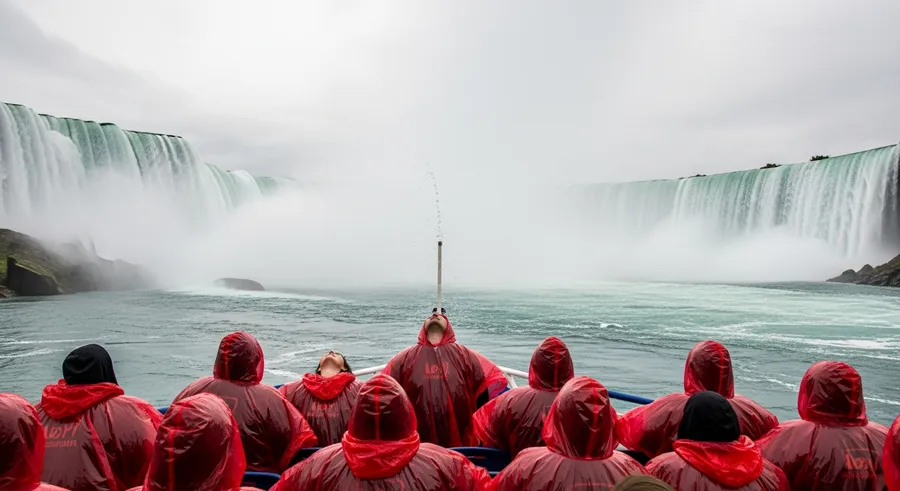
The core experiences at Niagara Falls are well known, but each has its own quirks. The Maid of the Mist takes you right into the spray at the base of the falls. You get a blue rain poncho and a ride that lasts about twenty minutes. The boat leaves from the base of the Observation Tower on the American side or from the Canadian side near the falls. Tickets sell out on busy summer days, so buying online in advance is wise. Journey Behind the Falls lets you walk through tunnels behind Horseshoe Falls. You feel the vibration of the water and can step out onto observation decks close to the falling water. The walk is on wet surfaces, and you get a yellow poncho. The experience takes about thirty minutes to an hour depending on how long you linger. The White Water Walk takes you along a boardwalk beside the Class 6 rapids of the lower Niagara River. It is a self-guided walk that takes about forty-five minutes. The Niagara Parkway on the Canadian side offers a scenic drive and bike path along the river. The Skylon Tower gives you a 360-degree view from 775 feet up, with a revolving restaurant if you want a meal with the view. For each attraction, check the current operating hours, ticket prices, and whether you need a reservation. Some sell timed-entry slots, and walking up without a reservation can mean a long wait or missing out entirely.
Plan for weather and what to wear
The weather at Niagara Falls can shift fast, even within a single day. Morning fog can burn off to a sunny afternoon, and a warm day can turn cool when the wind picks up over the river. The mist from the falls keeps the immediate area damp and about ten degrees cooler than the surrounding city. In summer, a light jacket or long-sleeve shirt under a rain poncho works well. In spring and fall, layers are essential. In winter, bring a warm coat, hat, gloves, and waterproof boots because the spray freezes on walkways. Rain gear is not optional. Even if the forecast shows sun, the spray from the falls soaks anyone who gets close. The boat tours and behind-the-falls walks provide ponchos, but a personal waterproof jacket and dry shoes make the experience more comfortable. Footwear matters more than most people expect. The walkways near the falls are slippery. Shoes with good grip, preferably waterproof, prevent slips. If you plan to walk the Niagara Parkway or the gorge trails, sturdy walking shoes or hiking boots are a good idea. Check the weather forecast the morning of your visit and adjust your layers accordingly.
Budget for parking, food, and extras
Parking near the falls can be expensive, especially on the Canadian side where lots near Clifton Hill charge premium rates during peak season. Some lots charge a flat rate for the day, while others charge by the hour. Check the parking options near your chosen attractions and consider parking farther away and walking or using the WeGo shuttle system. The shuttle runs along the Niagara Parkway and connects major attractions, hotels, and the parking lots. A day pass for the shuttle can save money and hassle. Food inside the tourist zone is often overpriced and average. Packing a picnic and eating at one of the park tables along the Niagara Parkway is a budget-friendly alternative. If you want a sit-down meal, book a table in advance at the Skylon Tower restaurant or at one of the hotels overlooking the falls. The Table Rock Welcome Centre has a casual cafeteria with decent options. Beyond attractions and food, factor in costs for souvenirs, the Journey Behind the Falls elevator fee, and any guided tours you might book. A little pre-trip research on the current prices prevents surprises.
Check your physical readiness and accessibility needs
Some attractions require a fair amount of walking, stairs, and standing. Journey Behind the Falls involves descending and ascending a large elevator and walking through damp tunnels with uneven surfaces. The White Water Walk is a flat boardwalk but does involve a steep set of stairs down to the river level. The Maid of the Mist boards from a dock that you reach by walking down a ramp. If you have mobility issues, check each attraction's accessibility information. The Table Rock Welcome Centre and the Skylon Tower are wheelchair accessible. The Maid of the Mist has accessible boarding, but the boat is not fully accessible to all levels of mobility. The same goes for Journey Behind the Falls, where the tunnel walkways are narrow and wet. If you travel with small children, plan for stroller-friendly routes and frequent breaks. The crowds and noise can overwhelm younger kids, so build in quiet time away from the main viewing areas. A well-thought-out niagara falls itinerary accounts for the physical demands of each stop and allows extra time for rest.
Look at the full day, not just the falls
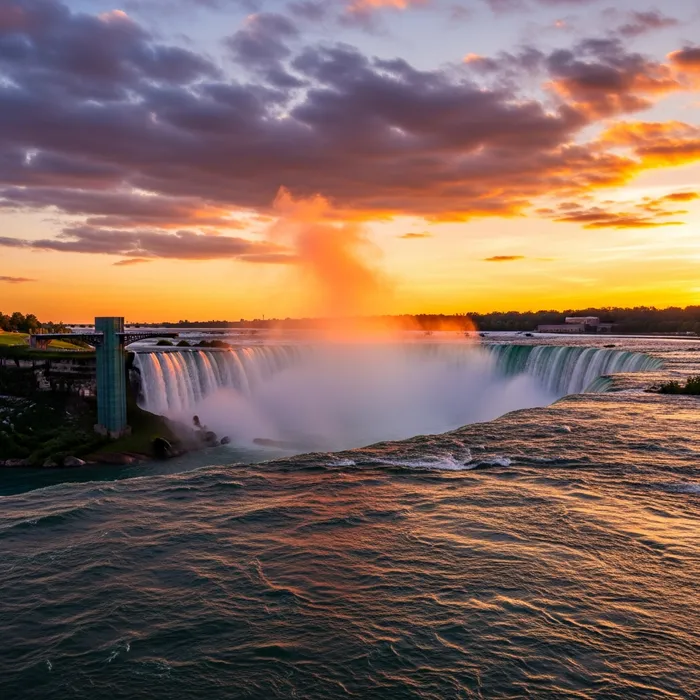
Many visitors focus entirely on the falls and miss the surrounding area. The Niagara region has wineries, the Niagara Glen nature trails, the butterfly conservatory, and the historic village of Niagara-on-the-Lake. If you have a full day or more, mixing a morning at the falls with an afternoon in the wine country or along the river makes for a richer trip. The Niagara Parkway itself is a beautiful drive or bike ride, with viewpoints and picnic spots along the way. The Floral Clock and the Whirlpool Aero Car are stops that break up the day. If you travel in summer, evening fireworks over the falls add a memorable end to the day. Check the schedule for the fireworks and the illumination of the falls, which changes colour throughout the evening. A balanced niagara falls itinerary leaves room for these extras without making the day feel rushed.
Prepare for crowds and queues
Niagara Falls is one of the most visited natural attractions in the world. Peak summer months and holiday weekends draw enormous crowds. Even in shoulder seasons, weekends can be busy. Arriving early, around 8 or 9 AM, gives you a head start before the tour buses arrive. Visiting on a weekday rather than a weekend also cuts down wait times. For the most popular attractions, buying tickets online in advance saves you from standing in the ticket line. Some attractions offer timed-entry slots that let you skip the general queue. If you want a photo at the railings without a crowd in the background, go early in the morning or later in the evening. The crowds thin out after 4 PM in many areas. Patience and a flexible attitude go a long way. Build buffer time into your schedule. Expect that a twenty-minute boat ride turns into a two-hour experience when you factor in parking, walking, and queuing.
Review your border crossing plan if you cross
If you plan to see both sides, you need a solid border crossing plan. The Rainbow Bridge connects the two sides and is the most pedestrian-friendly option. You can walk across, but you need proper identification for both countries. If you drive, expect a wait at the border, especially on summer weekends and holiday Mondays. Nexus cardholders have dedicated lanes that move faster. If you cross by car, check that your vehicle insurance covers the other country. Many rental car companies allow cross-border travel, but you may need to pay an extra fee. If you walk across, the bridge toll is small and paid in either currency. Once on the other side, you can walk to the main attractions or take a short taxi ride. Having a clear plan for which side you visit and when prevents wasted time circling for parking or waiting in line at customs.

Final checks before you go
Before you finalize your plans, run through a short list. Confirm the attractions you want are open on your dates. Book tickets online for any timed-entry experiences. Check the weather forecast and pack layers and rain gear. Decide which side of the falls you will visit and whether you will cross the border. Book accommodation early, especially in summer and around holidays. Look at the Niagara Parkway shuttle schedule if you plan to park once and move between attractions. And bring cash for parking, small purchases, and tips, though most places accept cards. A little preparation turns a chaotic trip into a smooth, enjoyable visit to one of the world's great natural wonders.